
/ TPRC Watch
Week 48 · 2026
The Weekly Brief · 20–27 Nov 2026
Brazil cuts PAT incentive 20%, Bulgaria doubles meal voucher cap to €200
Global Employee Benefits & Payments Intelligence
Brazil dominated the week: President Lula signed the fiscal adjustment law cutting the PAT tax incentive for meal and food vouchers by 20% from 2027, a federal court restored the new PAT rules on fees, 15-day merchant settlement and open acceptance for ABBT issuers, and the Labour Ministry detailed the 5x2 schedule ahead of the 16 December cut to a 42-hour week. In Bulgaria, parliament gave final approval to a €200 monthly meal voucher ceiling for 2027.
- News tracked
- 70
- Countries
- 15
- Reading time
- 5 min
/ Geography
Market spotlight
Key markets in focus this week: Brazil, Bulgaria.
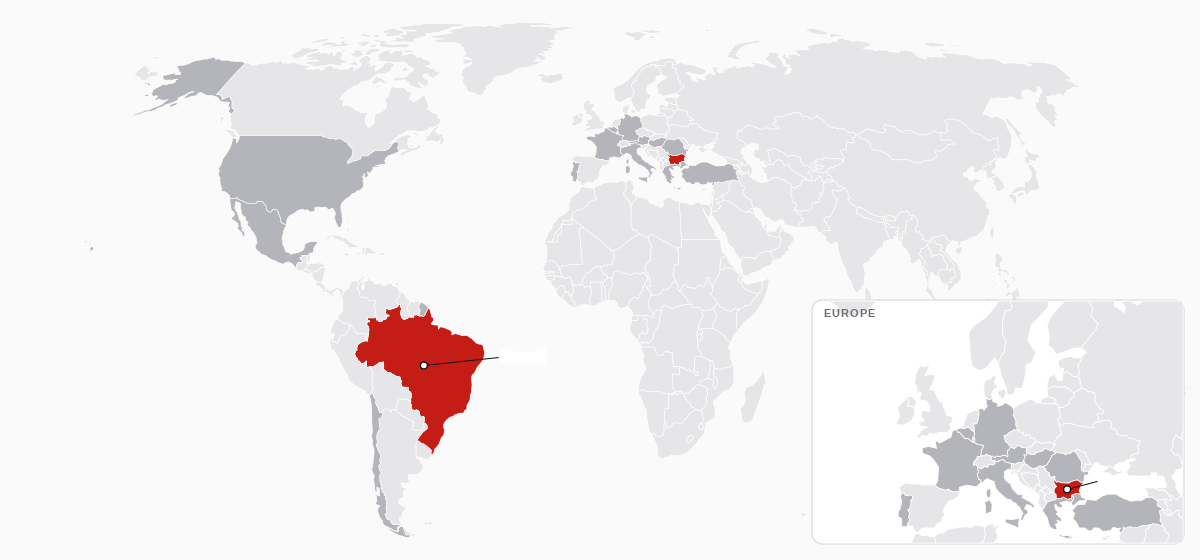
Entries per country
 Brazil 20
 Italy 14
 France 11
 Bulgaria 5
 Romania 5
 United States 4
 Greece 2
 Portugal 2
 Austria 1
 Belgium 1
 Chile 1
 Germany 1
 Hungary 1
 Mexico 1
 Türkiye 1
Counts are Watch entries, not market size or economic impact.
/ Must read
Four stories that matter
Arrows show the likely direction of the business impact for benefit and payment operators, not the direction of the rule itself.
BrazilMeal Vouchers · Enacted24 Nov
Brazil enacts 20% cut in PAT tax incentive from 2027
-20%PAT tax incentive
Lula signed the fiscal adjustment law without vetoes on 24 November, in an extra edition of the official gazette. The 20% cut in the PAT tax deduction applies to income tax from 1 January 2027 and to PIS/Cofins and CSLL from the fourth month after publication.
Why it matters. The incentive underpins employer demand for meal benefits in Brazil; a higher net cost can trigger contract renegotiations between employers and issuers ahead of 2027.
- Taxation: down
- Volume per beneficiary: down, indirect
- Client fees: down, indirect
Scope: Employers offering meal and food vouchers under PAT, their issuers and workers.
BulgariaMeal Vouchers · Adopted26 Nov
Bulgaria approves €200 monthly meal voucher ceiling for 2027
€200 per monthmonthly meal voucher cap
In a final reading on 26 November, parliament raised the monthly meal voucher ceiling from €102.26 to €200, with a 7% tax on the portion above €102.26. The annual quota rises 83% to €1.5 billion from 1 January 2027, after the 2026 quota (€818 million) ran out.
Why it matters. The near-doubling restores room for the benefit after the 2026 quota ran dry and lets employers raise values; issuers stand to gain volumes.
- Face value: up
- Volume per beneficiary: up, indirect
Scope: Bulgarian workers, employers and meal voucher issuers.
BrazilMeal Vouchers · Interim ruling24 Nov
Brazilian court restores new PAT rules for ABBT issuers
R$8bn per yearestimated impact of restored rules
On 24 November the TRF-1 court lifted the injunction exempting ABBT-affiliated issuers from the new PAT rules: fee caps, 15-day payment to restaurants and supermarkets, and open acceptance for operators with over 500,000 users are back in force. The government estimates an impact of R$8 billion per year; the decision is provisional until a final ruling.
Why it matters. Restored rules compress issuer fees and speed up merchant settlement in a key market; the provisional status keeps litigation risk alive.
- MDR: down
- Merchant fees / MDR: down
- Pricing pressure: down, indirect
Scope: ABBT-affiliated issuers, restaurants, supermarkets and voucher users in Brazil.
BrazilIndustry-wide · Enacted23 Nov
Brazil details 5x2 schedule rules ahead of 42-hour week
42 hours per weekweekly working limit from 16 December 2026
Published on 23 November, the rules guarantee two 24-hour weekly rest days, one preferably on Sunday, double pay for Sunday work without same-week rest, and at most six consecutive working days. The weekly limit falls from 44 to 42 hours on 16 December 2026 and to 40 in December 2027.
Why it matters. Where benefits are credited per day worked, a shorter week can reduce paid days and voucher volume per beneficiary; the effect depends on contracts and collective agreements.
- Working days: down, indirect
- Volume per beneficiary: down, indirect
Scope: Employers and employees under the new schedule, and benefit issuers paid per day worked.
/ Also on the radar
In brief
- United StatesDigital Wallets · Commercial
- BulgariaMeal Vouchers · Commercial
- United StatesInvoice-to-Pay · Commercial
- BrazilFlexible Benefits
- FranceFlexible Benefits · Commercial
- FranceMeal Vouchers · Commercial
- MexicoFood Vouchers · Commercial
- United StatesCommuting · In force
- PortugalMeal Vouchers · Adopted
- ItalyMeal Vouchers · Proposal
/ Beyond borders
Across markets
Governments are revaluing meal benefits for 2027. Germany set official reference values that let employers give up to €7.80 per working day tax-free from 1 January. In Turkey, press calculations based on the official 27.83% revaluation rate point to a daily exemption near 492.18 TL, pending the December communiqué. In Romania, a Senate bill would raise the meal voucher cap from 45 to 50 lei for 3.2 million recipients.
/ Forward calendar
What to watch next
- Brazil · 16 Dec: Brazil's weekly working limit falls from 44 to 42 hours under the 5x2 schedule; implementing rules for special regimes are due by then.
- Brazil · 1 Jan: The 20% cut in the PAT tax incentive applies to corporate income tax from 1 January 2027; PIS/Cofins and CSLL follow from the fourth month after publication.
- Bulgaria · 1 Jan: Bulgaria's €200 monthly ceiling and €1.5 billion annual quota take effect once promulgated and published; voucher issuance resumes in the first week of January.
- Türkiye: Turkey's official communiqué with the final 2027 meal voucher tax exemption is expected in December; press estimates point to about 492.18 TL per day. (date to be confirmed)